The Ultimate Guide to Selecting the Right Bottle Accumulation Conveyor
Table of contents:
Key Factors to Consider When Choosing a Case Conveyor System
Comparing Different Types of Bottle Accumulation Conveyors
Matching Conveyor Capabilities to Your Production Line Requirements
Expert Tips for Integrating New Conveyors into Existing Bottling Operations
Key Factors to Consider When Choosing a Case Conveyor System
When selecting a case conveyor system, several factors must be taken into account to ensure optimal performance. First, consider the type and size of products you'll be handling. Case conveyor systems can be customized based on packaging types, whether you're dealing with cartons, shrink packs, or plastic bottles. The conveying process requirements are equally important, as they dictate the specific features needed in your system. Additionally, factors such as production speed, line layout, and available space play crucial roles in determining the most suitable conveyor configuration for your facility.
Comparing Different Types of Bottle Accumulation Conveyors
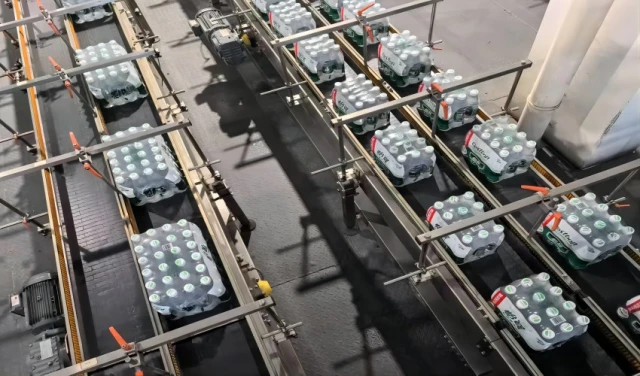
Plastic bottle conveyor systems come in various types, each designed to meet specific production needs. Chain plate conveyors are robust and ideal for heavy-duty applications, while roller conveyors offer smooth transportation for lighter loads. Ball chain conveyors provide versatility in handling different product shapes. When considering case conveyor systems, it's essential to evaluate the pros and cons of each type. For instance, the automatic power motorized transfer telescopic expandable flexible skate wheel case conveyor system offers a combination of features that cater to diverse packaging requirements, making it a popular choice among manufacturers.
Matching Conveyor Capabilities to Your Production Line Requirements
To ensure seamless integration and optimal performance, it's crucial to match your conveyor system's capabilities with your production line requirements. Case conveyor systems should be able to handle your current production volumes and accommodate future growth. Consider factors such as conveyor speed, load capacity, and the ability to handle different product sizes and weights. Plastic bottle conveyor systems, for example, need to be gentle enough to prevent damage to the bottles while maintaining efficient throughput. Additionally, features like automatic and motorized operation can significantly enhance productivity and reduce manual labor requirements.
Expert Tips for Integrating New Conveyors into Existing Bottling Operations
Integrating new case conveyor systems into existing bottling operations requires careful planning and execution. Start by conducting a thorough assessment of your current setup and identifying potential bottlenecks. When installing plastic bottle conveyor systems, ensure proper alignment with existing machinery to prevent jams or product damage. Consider the flexibility of the system, such as telescopic and expandable designs, which can adapt to changing production needs. It's also wise to work closely with experienced manufacturers like Nanjing Chengxi, who can provide customized solutions and technical support throughout the integration process.
In conclusion, selecting the right bottle accumulation conveyor is a critical decision that can significantly impact your production efficiency and overall operations. By carefully considering factors such as product types, production requirements, and conveyor capabilities, you can choose a case conveyor system that perfectly suits your needs. Remember that plastic bottle conveyor systems offer specific advantages for bottling operations, and features like automatic power and flexible designs can provide long-term benefits. Whether you opt for chain plate, roller, or ball chain conveyors, ensure that your choice aligns with your current and future production goals. With the right conveyor system in place, you'll be well-positioned to optimize your bottling and packaging processes for years to come.


Comments
Post a Comment