A Comprehensive Guide to Rotary Shaft Seal Applications
Table of contents:
Understanding the Mechanics of TC Type Shaft Seals
The Importance of Material Selection in Shaft Oil Seals
How to Choose the Right Rotary Shaft Seal for Your Application
Industry-Specific Uses of Shaft Oil Seals
Understanding the Mechanics of TC Type Shaft Seals
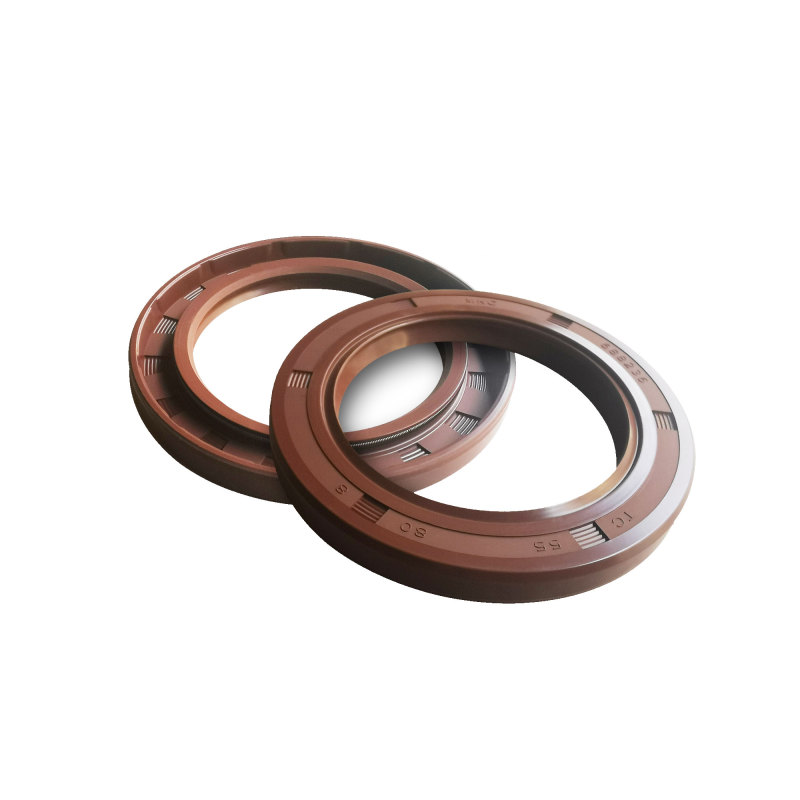
The TC type shaft seal is a standard model widely recognized for its efficiency in sealing applications. This type of seal features peripheral rubber and an internal all-inclusive design, which is complemented by a double lip with an internal spring. Often referred to as a lip seal ring, the TC type is designed to handle both oil and dust, making it versatile for various industrial uses. With a maximum pressure support of 0.03mpa, it is suitable for applications that require moderate pressure handling. The design ensures that the seal can accommodate slight misalignments and shaft deflections, which are common in dynamic environments. For any shaft oil seal manufacturer, understanding these characteristics is essential to producing high-quality seals that meet industry standards.
The Importance of Material Selection in Shaft Oil Seals
Material selection is a critical factor in the performance of shaft oil seals. The choice of material affects the seal's ability to withstand different media, pressure, and temperature conditions. Common materials used include nitrile rubber, fluororubber, and silicone rubber. Nitrile rubber is often chosen for its excellent resistance to oil and wear, making it suitable for general-purpose applications. Fluororubber, on the other hand, offers superior resistance to high temperatures and aggressive chemicals, ideal for more demanding environments. Silicone rubber provides excellent flexibility and temperature resistance, making it a good choice for applications with extreme temperature fluctuations. As an oil seal manufacturer, selecting the right material can significantly impact the seal's durability and effectiveness in specific applications.
How to Choose the Right Rotary Shaft Seal for Your Application
Selecting the appropriate rotary shaft seal involves considering several factors, including the operating environment, pressure, temperature, and the type of fluid being sealed. It's crucial to assess the specific requirements of your application to determine the best seal design and material. For example, environments with high-temperature fluctuations may benefit from seals made of silicone rubber, while applications involving aggressive chemicals might require fluororubber seals. Additionally, understanding the shaft's speed and potential misalignments can help in choosing a design that accommodates such dynamics. Consulting with a reputable shaft oil seal manufacturer can provide valuable insights and recommendations tailored to your specific needs, ensuring optimal performance and longevity of the seal.
Industry-Specific Uses of Shaft Oil Seals
Shaft oil seals are integral to various industries, each with unique demands. In the automotive sector, these seals are crucial for preventing oil leaks in engines and transmissions, contributing to the vehicle's overall efficiency and reliability. In the manufacturing industry, they are used in machinery to maintain lubrication and protect against contaminants, ensuring smooth operations. The aerospace industry relies on high-performance seals to withstand extreme conditions and ensure the safety and efficiency of aircraft systems. Each of these industries requires seals that meet specific standards and performance criteria, highlighting the importance of working with a knowledgeable oil seal manufacturer who understands the nuances of each application.
In conclusion, shaft oil seals play a vital role in the functionality and reliability of various mechanical systems. By understanding the mechanics of TC type shaft seals, the importance of material selection, and how to choose the right seal for your application, you can enhance the performance and lifespan of your machinery. Industry-specific applications further emphasize the need for specialized knowledge and expertise in selecting and manufacturing these components. Collaborating with a trusted shaft oil seal manufacturer can provide the assurance and quality needed to meet your operational demands, ensuring that your equipment runs smoothly and efficiently.


Comments
Post a Comment