The Role of Self Service Kiosk Machines in Healthcare Transformation
Table of contents:
Hospital Self-Service Kiosk: Reducing Human Error in Patient Care
Leveraging Kiosk Payment Technology for Seamless Transactions
The Future of Self Service Kiosk Machines in Healthcare Environments
How Hospital Self-Service Kiosks Improve Operational Efficiency
Hospital Self-Service Kiosk: Reducing Human Error in Patient Care
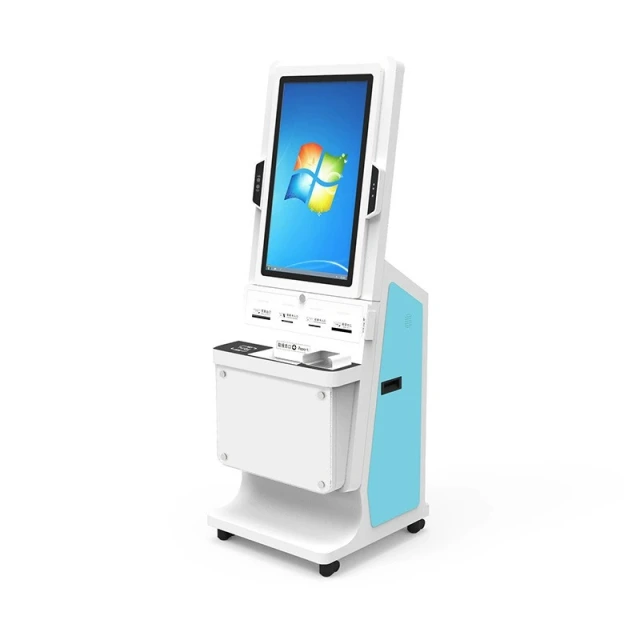
Hospital self-service kiosks are revolutionizing patient care by minimizing human error. These kiosks integrate seamlessly with hospital systems, allowing patients to perform various tasks independently. By automating processes such as patient registration and check-in, kiosks reduce the likelihood of errors associated with manual data entry. This is particularly crucial in healthcare settings, where accuracy is paramount. Self-service kiosk suppliers have designed these machines to support multiple identification cards, ensuring that patient information is accurately captured and processed. Additionally, the multilingual capabilities of these kiosks cater to a diverse patient demographic, further reducing the risk of miscommunication. As a result, healthcare providers can focus on delivering quality care, while patients benefit from a streamlined and error-free experience.
Leveraging Kiosk Payment Technology for Seamless Transactions
The integration of kiosk payment technology in healthcare settings offers a seamless transaction experience for patients. By enabling contactless payments, these kiosks reduce the need for physical interaction, aligning with the growing demand for contactless healthcare services. Self-service kiosk suppliers have incorporated various payment options, including credit card and mobile payment solutions, to accommodate diverse patient preferences. This flexibility not only enhances the patient experience but also improves the efficiency of financial transactions within healthcare facilities. Furthermore, the ability to handle payments directly at the kiosk reduces the administrative burden on hospital staff, allowing them to focus on more critical tasks. As healthcare environments continue to evolve, kiosk payment technology will play an integral role in facilitating efficient and secure transactions.
The Future of Self Service Kiosk Machines in Healthcare Environments
The future of self-service kiosk machines in healthcare looks promising, driven by advancements in technology and increasing demand for efficient healthcare services. Self service kiosk suppliers are continually innovating to meet the evolving needs of healthcare providers and patients. The modular and scalable nature of these kiosks allows them to be customized for various healthcare settings, from small clinics to large hospitals. As technology advances, we can expect to see more features integrated into these kiosks, such as enhanced data security measures and advanced biometric identification. The ongoing shift towards digital healthcare solutions will further propel the adoption of self-service kiosks, making them an indispensable part of modern healthcare environments. By providing 24/7 service and reducing wait times, these kiosks are set to transform patient experiences and improve healthcare delivery.
How Hospital Self-Service Kiosks Improve Operational Efficiency
Hospital self-service kiosks significantly enhance operational efficiency by streamlining processes and reducing the workload on healthcare staff. By automating routine tasks, such as patient check-in and registration, these kiosks free up valuable time for healthcare professionals to focus on patient care. Self-service kiosk suppliers have designed these machines to integrate with existing hospital systems, ensuring seamless data transfer and reducing administrative bottlenecks. The ability to handle multiple tasks simultaneously makes these kiosks a valuable asset in busy healthcare environments. Additionally, the reduction in manual data entry minimizes the risk of errors, leading to more accurate patient records and improved overall efficiency. As healthcare facilities strive to optimize their operations, the adoption of self-service kiosks will continue to play a crucial role in achieving these goals.
Self-service kiosk machines are transforming healthcare by enhancing patient experiences and improving operational efficiency. Developed by innovative kiosk manufacturers, these machines offer a range of functionalities, from reducing human error to enabling seamless transactions. As self-service kiosk suppliers continue to innovate, the future of these kiosks in healthcare looks promising. Their ability to provide 24/7 service, reduce wait times, and integrate with existing systems makes them an invaluable tool in modern healthcare environments. As the demand for contactless and efficient healthcare services grows, the adoption of self-service kiosks will continue to rise, paving the way for a more streamlined and patient-centric healthcare experience.


Comments
Post a Comment